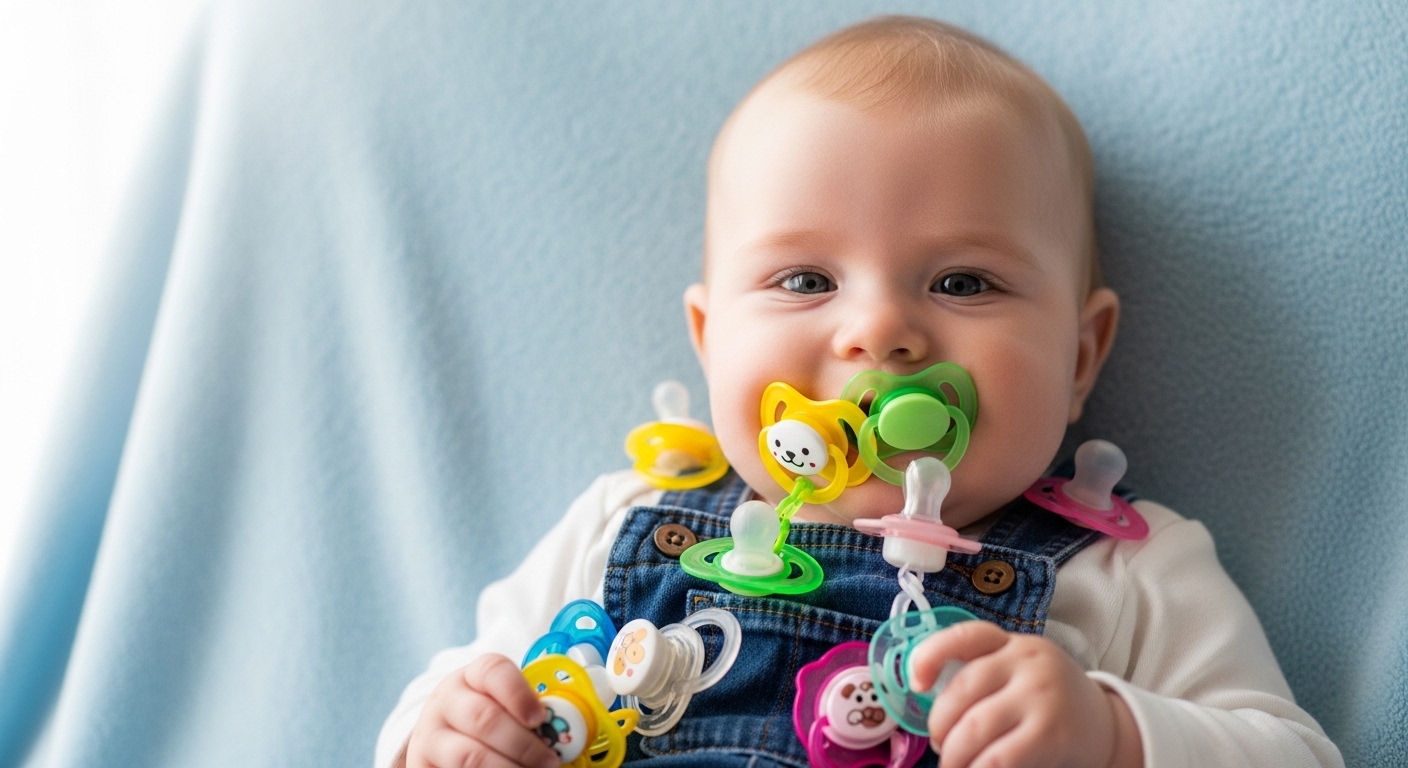
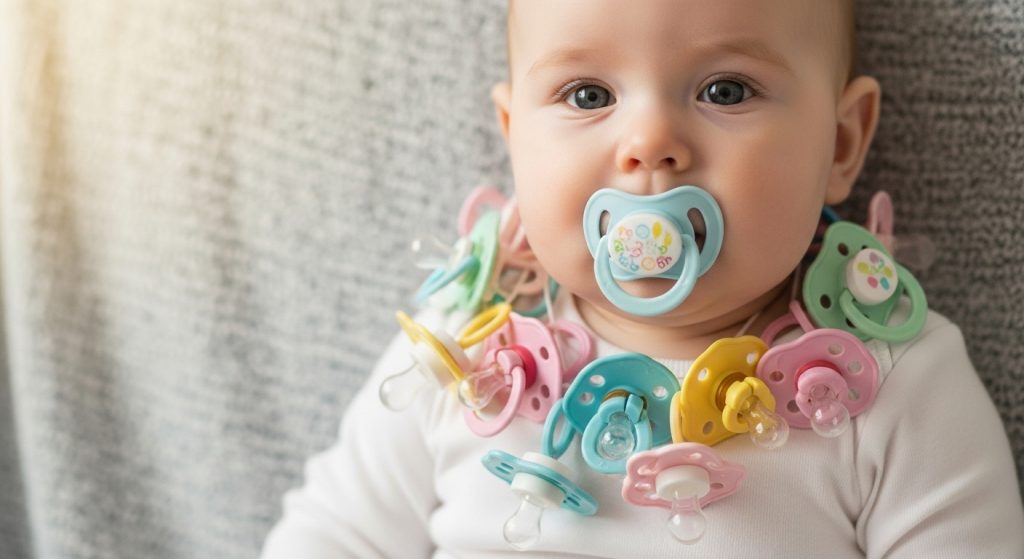
Weaning your baby off a pacifier can feel overwhelming—especially if it’s become a major source of comfort. The good news? With the right approach, you can make the transition smooth, gentle, and tear-free for both you and your child.
This guide combines real-life parenting experience, practical strategies, and expert-backed tips to help you successfully say goodbye to the pacifier—without stress.
When Is the Right Time to Wean?
Timing matters more than technique.
Most parents find success weaning between 6 months and 2 years old. From experience, the easiest window is often around 12–18 months, when babies are adaptable but not yet deeply emotionally attached.
Signs Your Baby Is Ready:
- Uses the pacifier only for sleep
- Can self-soothe in other ways (blanket, thumb, cuddling)
- Shows less interest during the day
- Understands simple routines
👉 If your baby relies heavily on it during stressful changes (teething, travel, illness), it’s better to wait.
My Experience: What Actually Worked
When I went through this process, I made one mistake early on—trying to quit cold turkey too soon. It led to more crying, disrupted sleep, and frustration.
What worked instead was a slow, gentle approach:
- First, I limited pacifier use to naps and bedtime
- Then I introduced alternative comfort (a soft toy and extra cuddles)
- Finally, I phased it out completely over about 2 weeks
The biggest lesson: consistency beats speed.
Step-by-Step: How to Wean Without Tears
1. Start by Limiting Use
Don’t remove it all at once.
Begin with small boundaries:
- No pacifier during playtime
- Only allowed in bed or crib
This helps your baby adjust gradually without feeling deprived.
2. Introduce a Comfort Replacement
Babies don’t just love pacifiers—they love the comfort they provide.
Replace that comfort with:
- A favorite stuffed animal
- A soft blanket
- Gentle rocking or singing
From experience, pairing the new comfort item with the pacifier first makes the transition easier.
3. Create a Consistent Bedtime Routine
A strong routine reduces dependence on the pacifier.
Try a calming sequence:
- Warm bath
- Quiet story
- Soft music
- Lights dimmed
Over time, your baby will associate sleep with the routine—not the pacifier.
4. Gradually Reduce Dependence
Instead of removing it completely:
- Take it out after your baby falls asleep
- Delay giving it when they fuss
- Offer comfort first before the pacifier
This teaches self-soothing skills naturally.
5. Use Positive Reinforcement
Celebrate small wins:
- “You fell asleep without it—great job!”
- Offer extra hugs, praise, or a sticker system (for toddlers)
Avoid punishment or pressure—this can backfire quickly.
6. Choose a Gentle “Goodbye” Method
When you’re ready to fully stop, try a soft transition:
- “The pacifier is going away soon” (for older babies/toddlers)
- A simple ritual like putting it away together
In my experience, making it feel like a natural milestone rather than a loss makes a huge difference.
Common Mistakes to Avoid
Going Cold Turkey Too Early
This often leads to more crying and sleep regression.
Inconsistency
Giving the pacifier back “just this once” can confuse your baby and prolong the process.
Choosing the Wrong Timing
Avoid weaning during:
- Illness
- Travel
- Big changes (new sibling, daycare)
How Long Does It Take?
Every baby is different, but typically:
- Gradual method: 1–3 weeks
- Faster transitions: a few days (with more resistance)
From experience, a slower approach results in less crying and better sleep overall.
What to Expect Emotionally
Even with the gentlest method, some resistance is normal.
You might notice:
- Mild fussiness at bedtime
- Shorter naps temporarily
- Increased need for comfort
This is part of the adjustment—not a sign of failure.
Final Thoughts: A Gentle Transition Is the Best Transition
Weaning your baby off a pacifier doesn’t have to be stressful or emotional. The key is to respect your baby’s need for comfort while guiding them toward independence.
If there’s one takeaway from experience, it’s this:
👉 Go slow, stay consistent, and lead with comfort—not control.
In the end, your baby won’t just give up the pacifier—they’ll gain a new ability to self-soothe, which is a win for everyone.