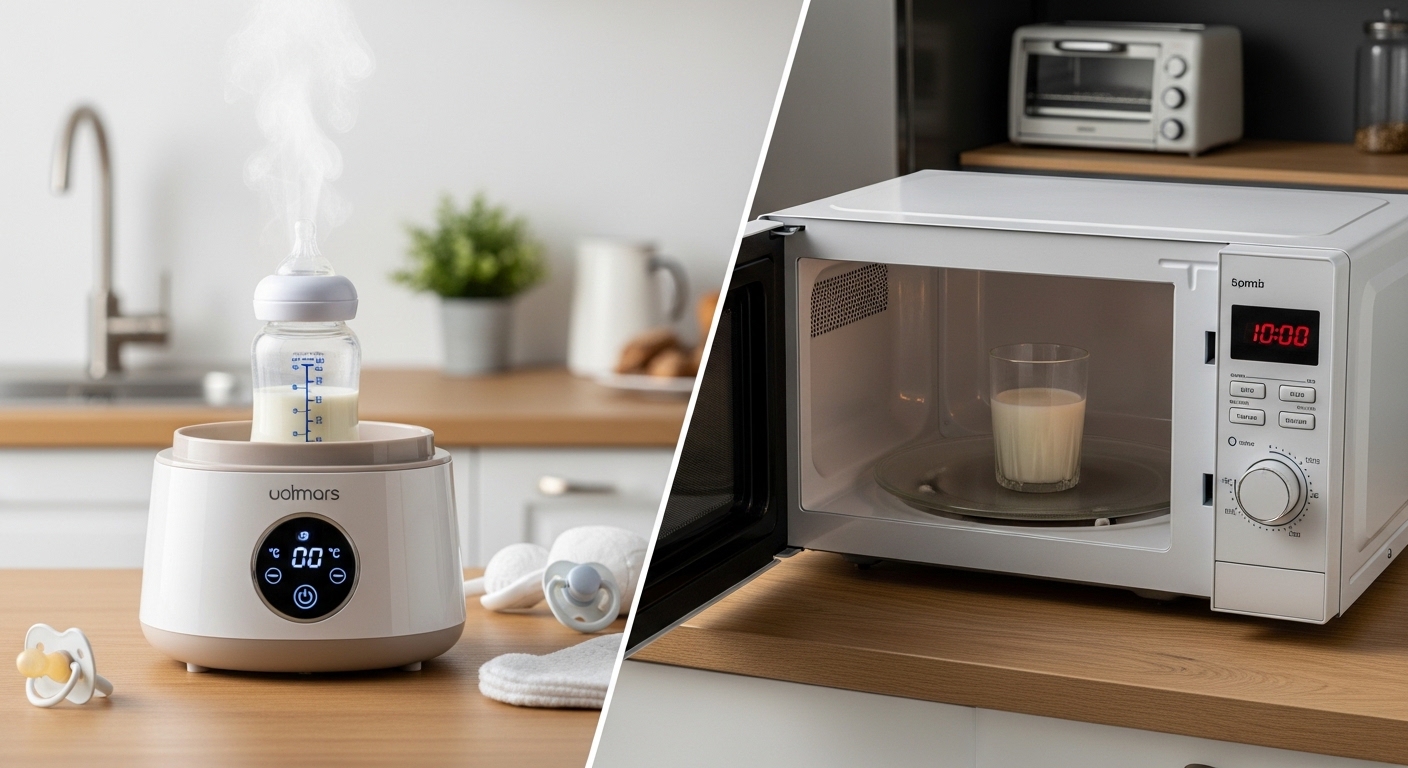
Warming your baby’s milk should be simple—but doing it the wrong way can lead to overheating, nutrient loss, or even burns. A baby bottle warmer is designed to make feeding safer and easier, but only if you use it correctly.
This guide shares practical steps, real-life experience, and common mistakes to avoid so you can warm bottles safely every time.
Why Proper Use of a Bottle Warmer Matters
It’s easy to assume that a bottle warmer “just works,” but improper use can:
- Overheat milk and destroy nutrients (especially breast milk)
- Create uneven temperatures
- Increase the risk of burns
From experience, the biggest issue isn’t the device—it’s how it’s used.
My Experience: What I Learned the Hard Way
When I first started using a bottle warmer, I made a common mistake:
👉 I left the bottle in too long, thinking “warmer is better.”
The result? Milk that was too hot, and a fussy baby who refused to drink.
After a few frustrating nights, I realized that precision matters more than speed. Once I adjusted my routine, warming bottles became quick, consistent, and stress-free.
Step-by-Step: How to Use a Bottle Warmer Correctly
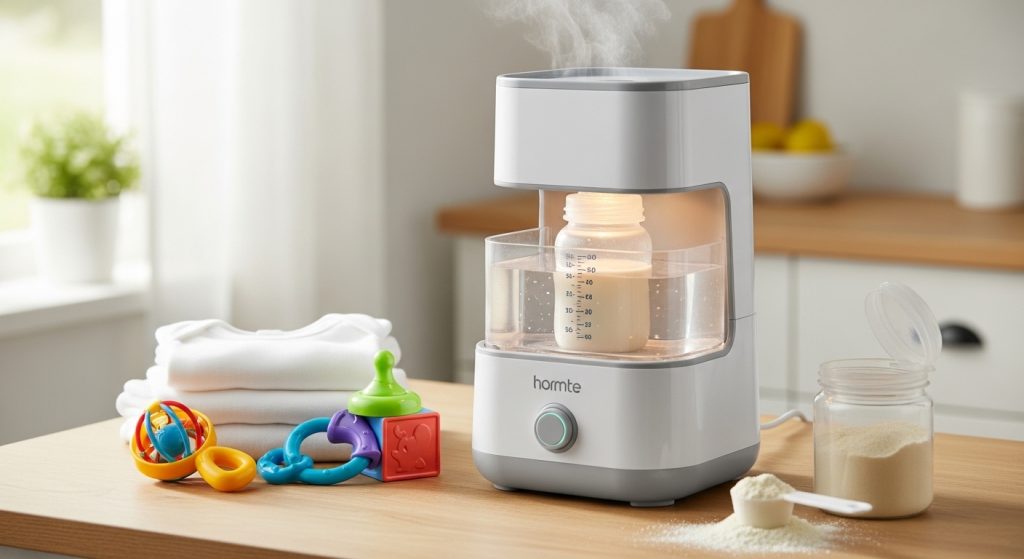
1. Start with the Right Amount of Water
Most bottle warmers rely on steam or water heat.
- Follow the recommended water level
- Too much water = overheating
- Too little water = uneven warming
👉 This small step makes a big difference in temperature control.
2. Use the Correct Setting
Different liquids require different handling:
- Breast milk → gentle, low heat
- Formula → slightly higher heat is okay
- Refrigerated milk → longer warming time
From experience, using the wrong setting is one of the fastest ways to overheat milk.
3. Don’t Overheat—Timing Is Key
Avoid leaving the bottle in longer than needed.
- Most bottles warm in a few minutes
- Remove it as soon as it’s ready
- Don’t “just leave it a bit longer”
👉 Overheating often happens when you multitask and forget the timer.
4. Swirl, Don’t Shake
After warming:
- Gently swirl the bottle to distribute heat
- Avoid shaking aggressively (especially breast milk)
This helps ensure an even temperature throughout.
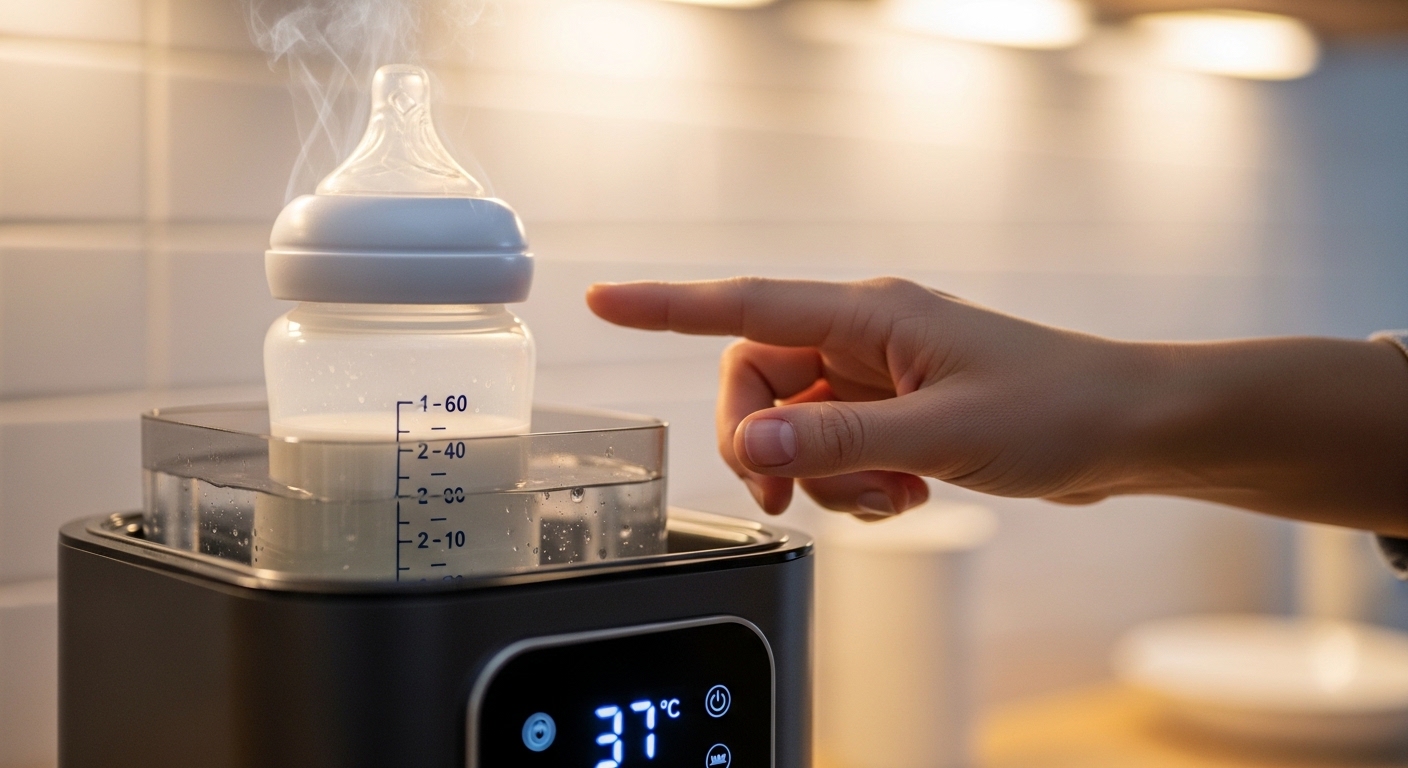
5. Always Test Before Feeding
Never skip this step.
- Drop a little milk on your wrist
- It should feel lukewarm, not hot
From experience, even when the warmer works perfectly, testing gives peace of mind.
Common Mistakes to Avoid
Leaving the Bottle Too Long
The most common cause of overheating.
Reheating Milk Multiple Times
This can degrade nutrients and affect safety.
Using the Same Settings for Everything
Not all milk types or temperatures are the same.
Ignoring Cleaning
Mineral buildup can affect performance and heating accuracy.
Pro Tips for Busy Parents
Prep Ahead
Measure water and have bottles ready before feeding time.
Use a Timer
Even if your warmer has auto shut-off, a backup timer helps prevent overheating.
Warm Gradually
If possible, avoid rushing—gentle warming is safer and more consistent.
Night Routine Hack
Keep everything set up before bed to reduce stress during late-night feeds.
How Long Should It Take?
Typical warming times:
- Room temperature milk → 2–4 minutes
- Refrigerated milk → 4–6 minutes
These can vary, but if it’s taking much longer—or feels too hot—adjust your method.
Signs the Milk Is Overheated
Watch out for:
- Bottle feels very hot to the touch
- Milk smells slightly “off”
- Baby refuses to drink
If this happens, let it cool naturally—never try to fix it by adding cold milk.
Final Thoughts: Safe Warming Is All About Control
Using a baby bottle warmer the right way isn’t complicated—it just requires a bit of attention and consistency.
👉 From real experience, the key is simple:
Less heat, less time, more control.
Once you get into a routine, it becomes second nature—and feeding your baby feels calmer, safer, and much more predictable.
Conclusion
A bottle warmer can be one of the most helpful tools in your daily routine—but only when used correctly. By avoiding overheating and following a few simple steps, you can protect your baby’s nutrition and ensure every feeding is safe.
In the end, it’s not about speed—it’s about getting the temperature just right, every single time.